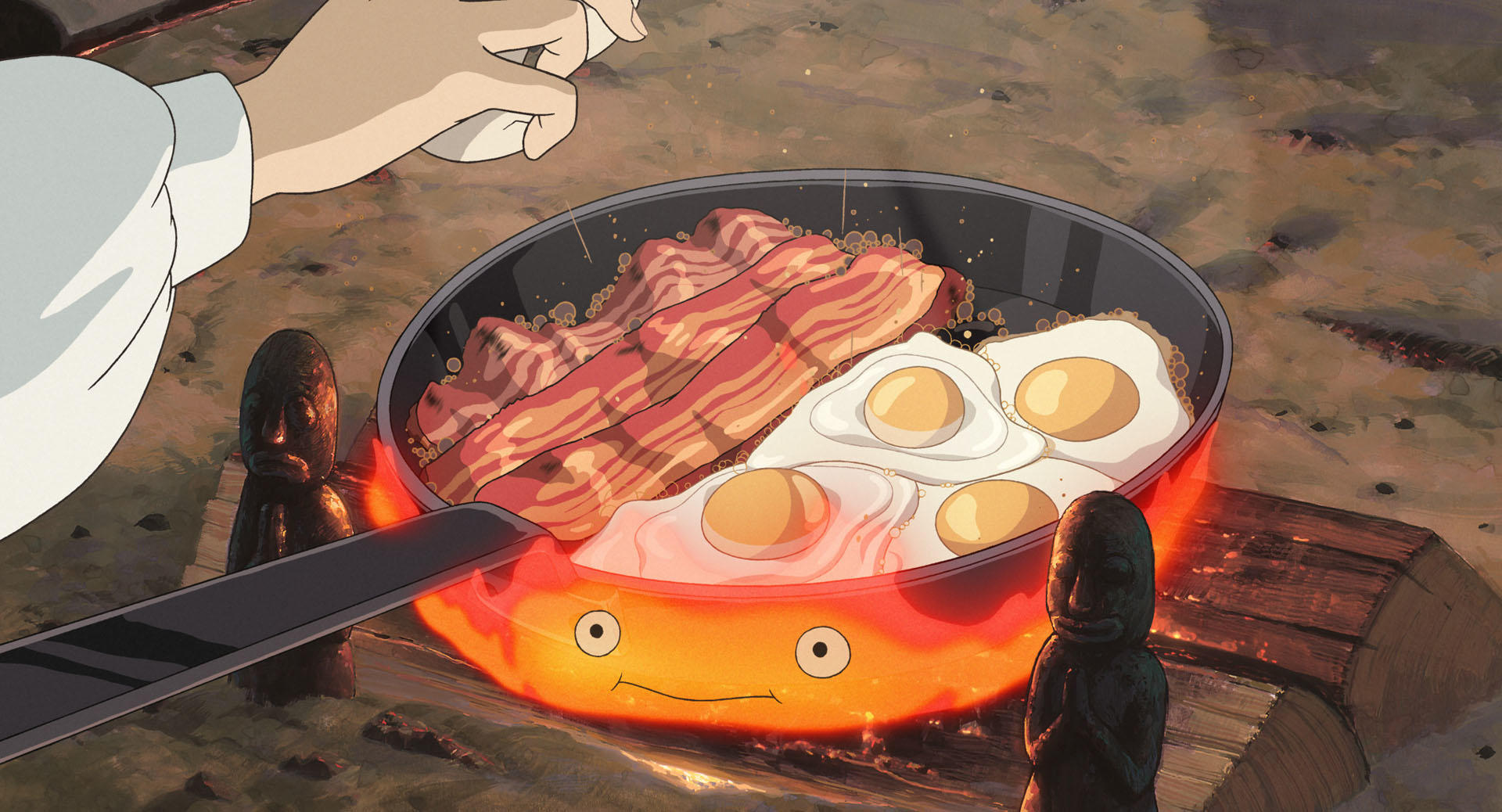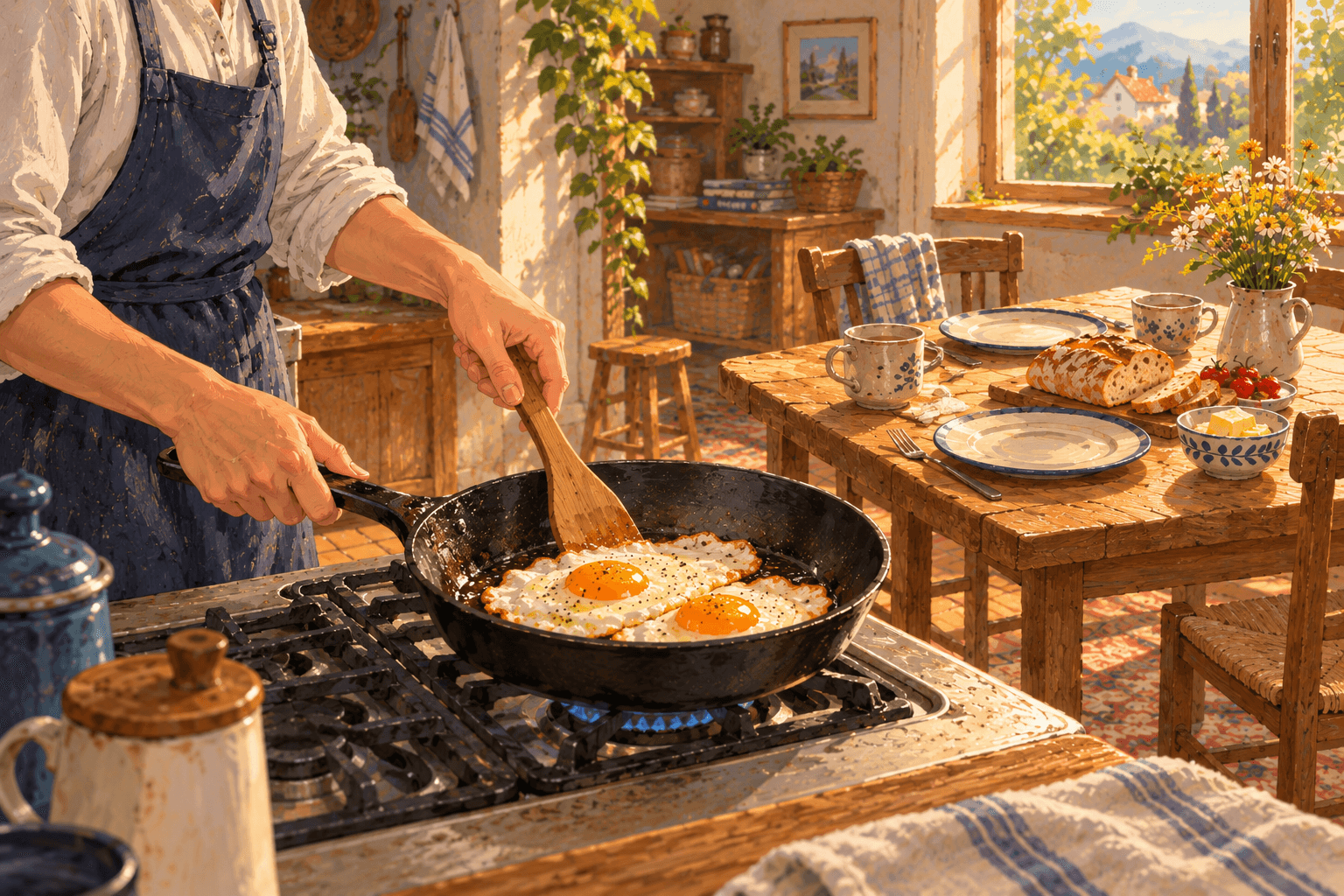
The frying pan in Howl's Moving Castle has a face beneath it. Calcifer's eyes look out from the fire while bacon and eggs occupy most of the pan above him. A hand holds an eggshell at the edge of the frame. The breakfast is recognizably ordinary; the arrangement required to cook it is not. In Studio Ghibli's published still, the food, the cook and the source of heat fit into a single little negotiation.
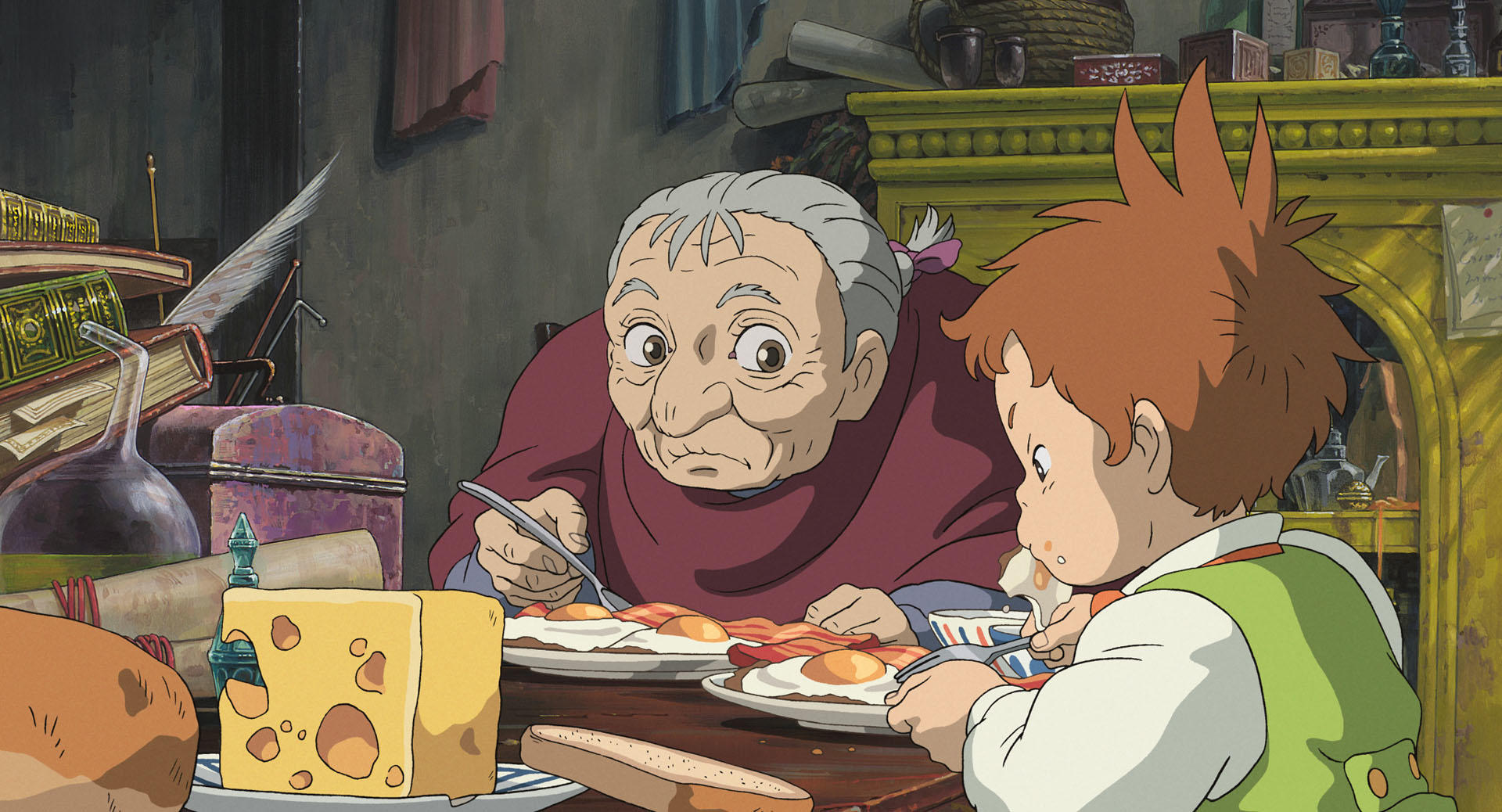
At the table, Sophie and Markl have plates in front of them. A loaf and a wedge of cheese take up the foreground; the room remains crowded with other things. The image gives breakfast a place in a house that is already being lived in. The meal does not have to clear the surroundings away to become attractive. Its appeal includes the prospect of sitting down there.
These are useful details to keep when thinking about “Ghibli food,” a category that can make a series of very different scenes sound like one desirable menu. An egg on toast, rice pressed into a ball, and a bowl of noodles are things someone might make. On screen, their effect depends on who is present and what happens between the preparation and the last mouthful. The dish is only part of what we want to return to.
The Ghibli Museum made that distinction the subject of Taberu o egaku, roughly “Drawing Eating,” an exhibition that opened in 2017. Its Japanese introduction directs attention to expressions, bodily gestures and the observation needed to animate a bite or the handling of chopsticks. Visitors could take up chopsticks themselves. Studying the subject meant noticing what their own hands did.
That is a much more exact invitation than admiring how delicious a painting looks. A still image can suggest softness or heat. Eating brings a second body into the problem: a person has to grip, lift, bite, chew and swallow. The artist decides which parts of that familiar business deserve our attention. A movement may be so well understood that the audience barely registers the observation behind it.
Who is at the table
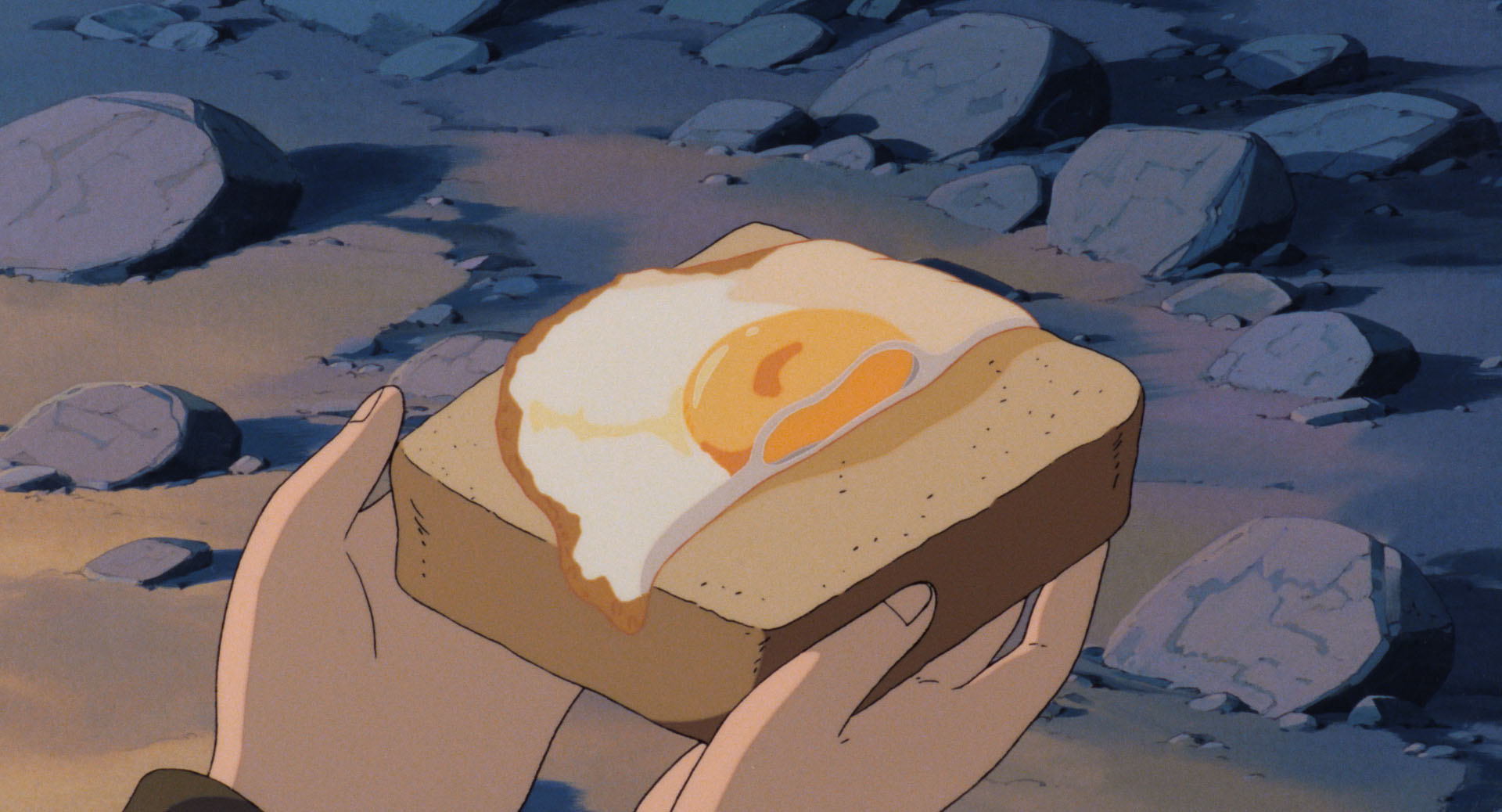
In Castle in the Sky, a fried egg lies on a thick slice of bread. Ghibli's image of the toast keeps the meal close enough to a hand for its scale to be obvious. Pazu and Sheeta share the food. The museum interprets their eating together as a way for them to draw closer. It is an unceremonious kind of hospitality: they have something available, and both of them can eat it.
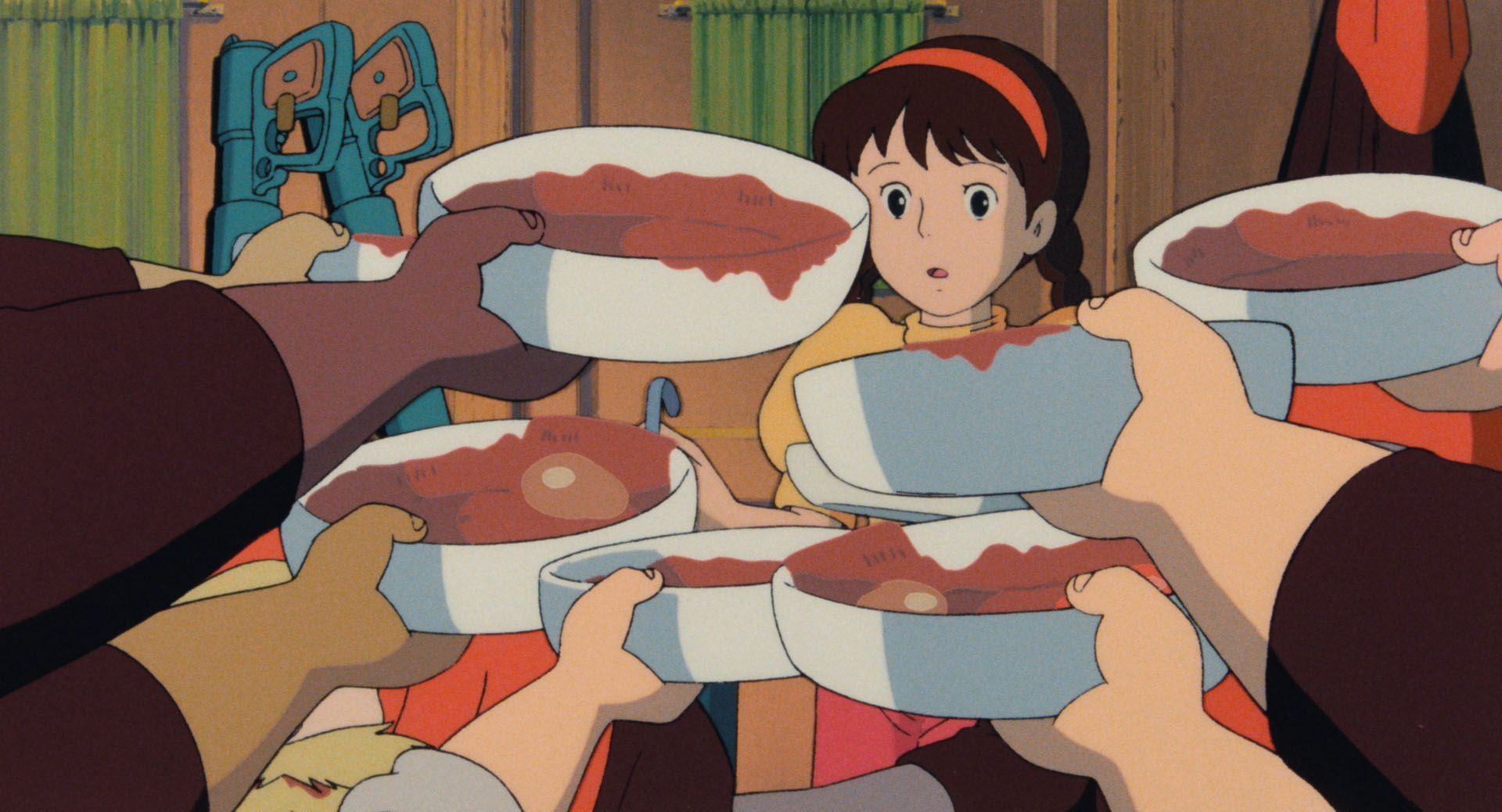
Later, another published frame puts Sheeta in the middle of a crowd of arms and bowls. Her face occupies the remaining space between them. The difference in arrangement is as revealing as the difference in food. A meal for two can concentrate attention on the person beside you. Feeding a crew creates traffic. The hands, dishes and faces tell us that food has reorganized the room.
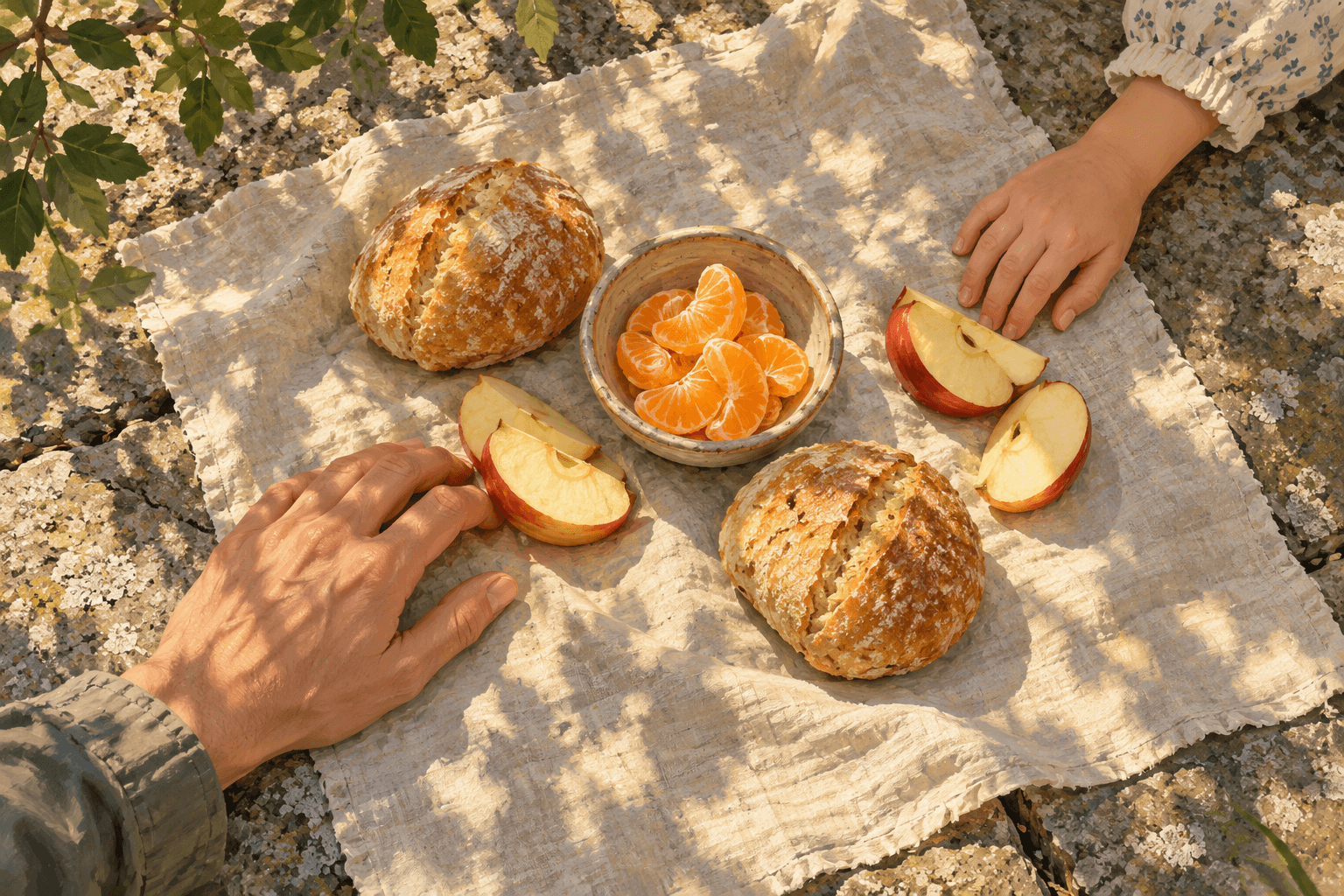
The exhibition's second room turned to the places in which meals are made, with human-scale reconstructions of the kitchen in Satsuki and Mei's house in My Neighbor Totoro and the Tiger Moth's galley in Castle in the Sky. A contemporary studio account describes production materials and reference books accompanying those spaces. The kitchen was something to investigate along with the plate.
There is a considerable change of perspective between looking at a finished meal and imagining where a person stands to prepare it. The cook needs somewhere to put things down. Other people may be waiting. A young character's competence can emerge through the handling of equipment rather than through a speech about being capable. The museum's introduction specifically draws attention to Satsuki and Sheeta cooking with an ability that can stand beside an adult's.
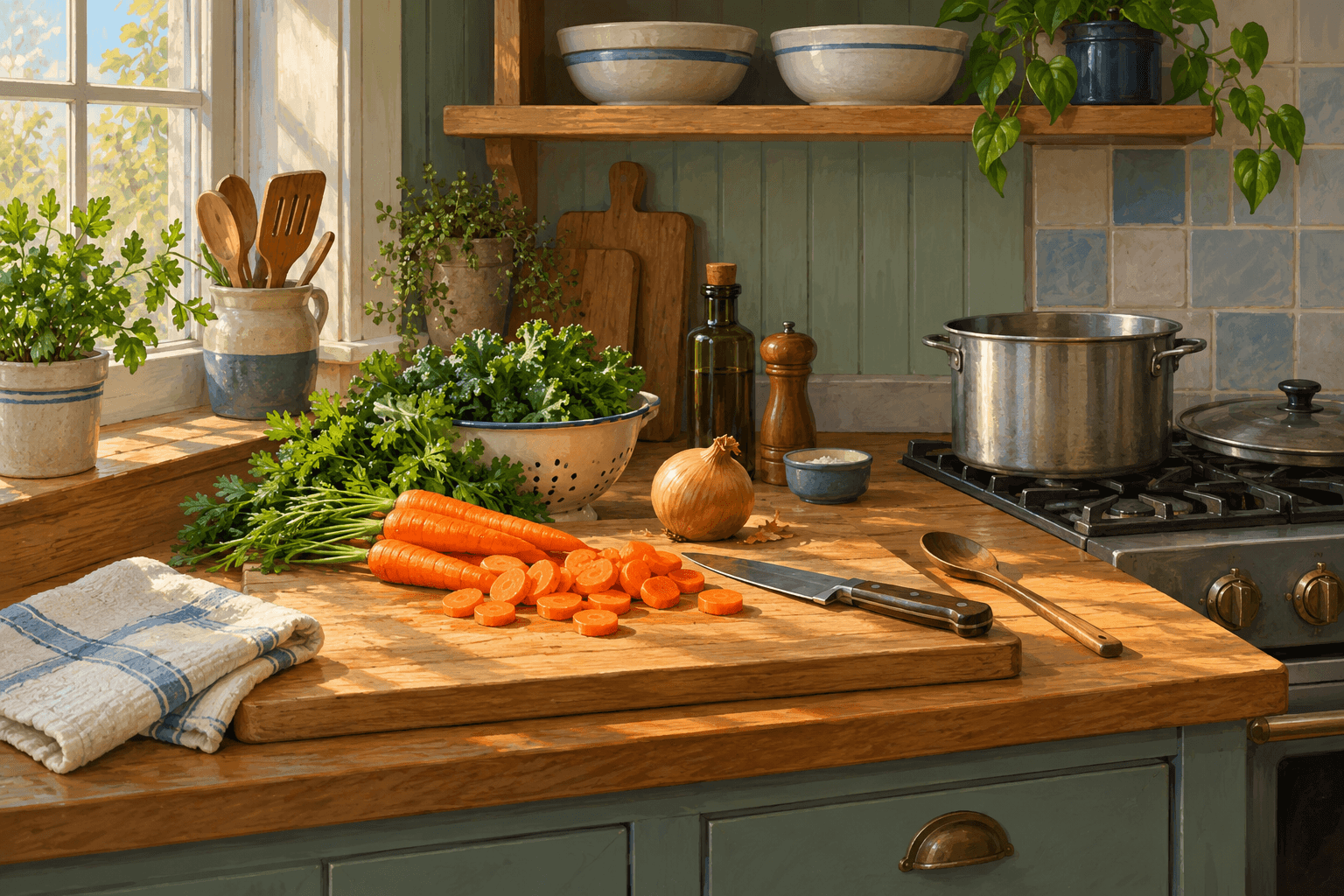
A shared meal can also make room for distress. Chihiro cries while eating the rice balls Haku gives her in Spirited Away. The museum chose the brief passage to explain animation through its key drawings. Food does not require her to stop being frightened before she can accept help. Her hunger and her tears occupy the same action. There is more happening in the scene than the pleasure of getting something good to eat.
When the taste falls short
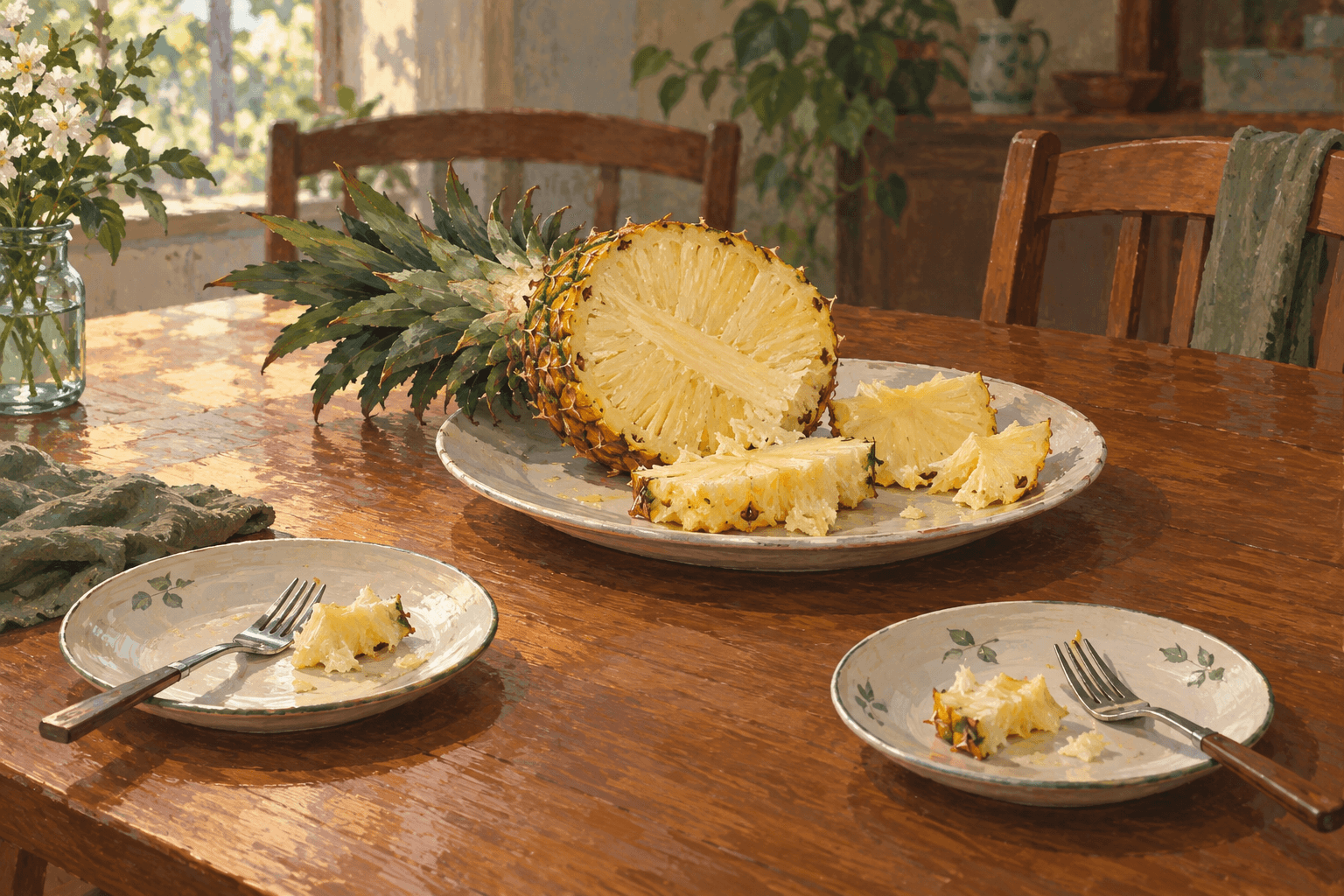
Another Ghibli table complicates the comfortable picture. In Isao Takahata's Only Yesterday, Taeko's family tries a fresh pineapple and finds the longed-for fruit disappointing. The scene has none of the obligation to make its dish irresistible that a catalogue of favorite animated foods might impose on it. Anticipation has made a promise that the mouth cannot confirm.
Writing for Iwanami in a conversation series with producer Toshio Suzuki, music journalist Hideki Take connected the scene to the song playing on the television, Sachiko Nishida's “Tokyo Blues.” He heard the disappointed family's feelings reflected in the song's language of deception. That is Take's reading of the sequence, and it identifies another ingredient in the meal: a sound already belonging to the room can shade the experience of tasting.
The pineapple remains memorable precisely because eating it does not deliver the expected delight. A family can share a letdown as readily as a treat. The food has exposed a small discrepancy between what they imagined and what arrived. Such a scene belongs beside the breakfasts and the comforting rice balls, even if it is unlikely to inspire an appetizing recreation.
A gesture that left the screen
The work behind an appealing dish becomes especially visible when someone tries to serve it outside animation. After the food exhibition opened, the museum's café introduced dishes connected with it. A May 2017 diary entry describes the preparation behind its storm-night ham ramen: a member of staff was getting pork belly ready to simmer with seasonings for the soup's seasoning base. The account pauses over the amount of labor within a bowl.
The café also served hot milk with honey. In March 2018, its diary described staff circling the honey into the drink in front of customers, following Lisa's action in Ponyo. An overseas visitor recognized the scene.
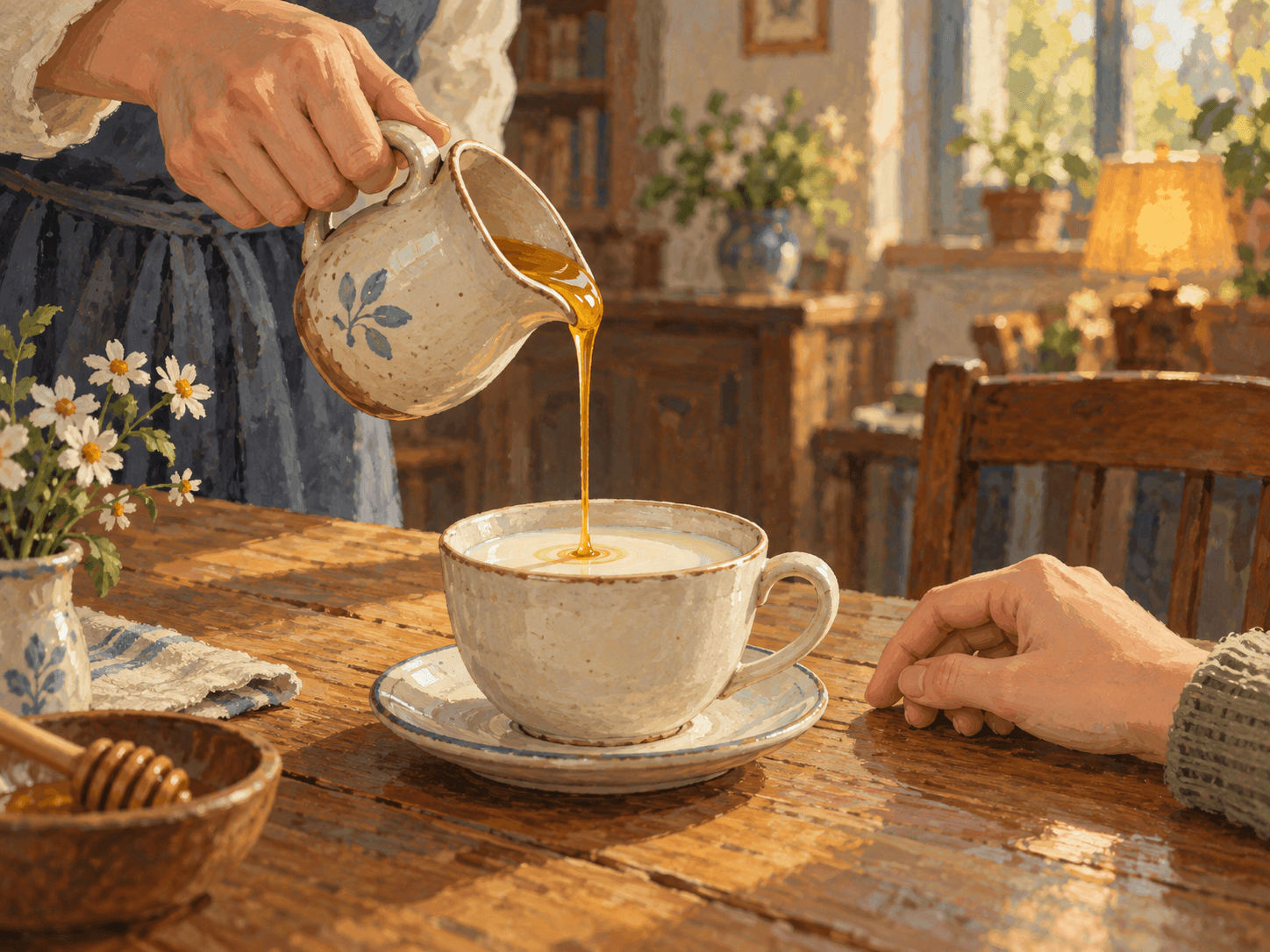
Still, the detail is unusually revealing. The drink could have arrived already mixed. By letting the customer see the honey being added, the server retained a part of the remembered experience that an ingredient list would omit. Somebody takes a moment to prepare it in front of you. You wait, watch the hand, and receive the cup.