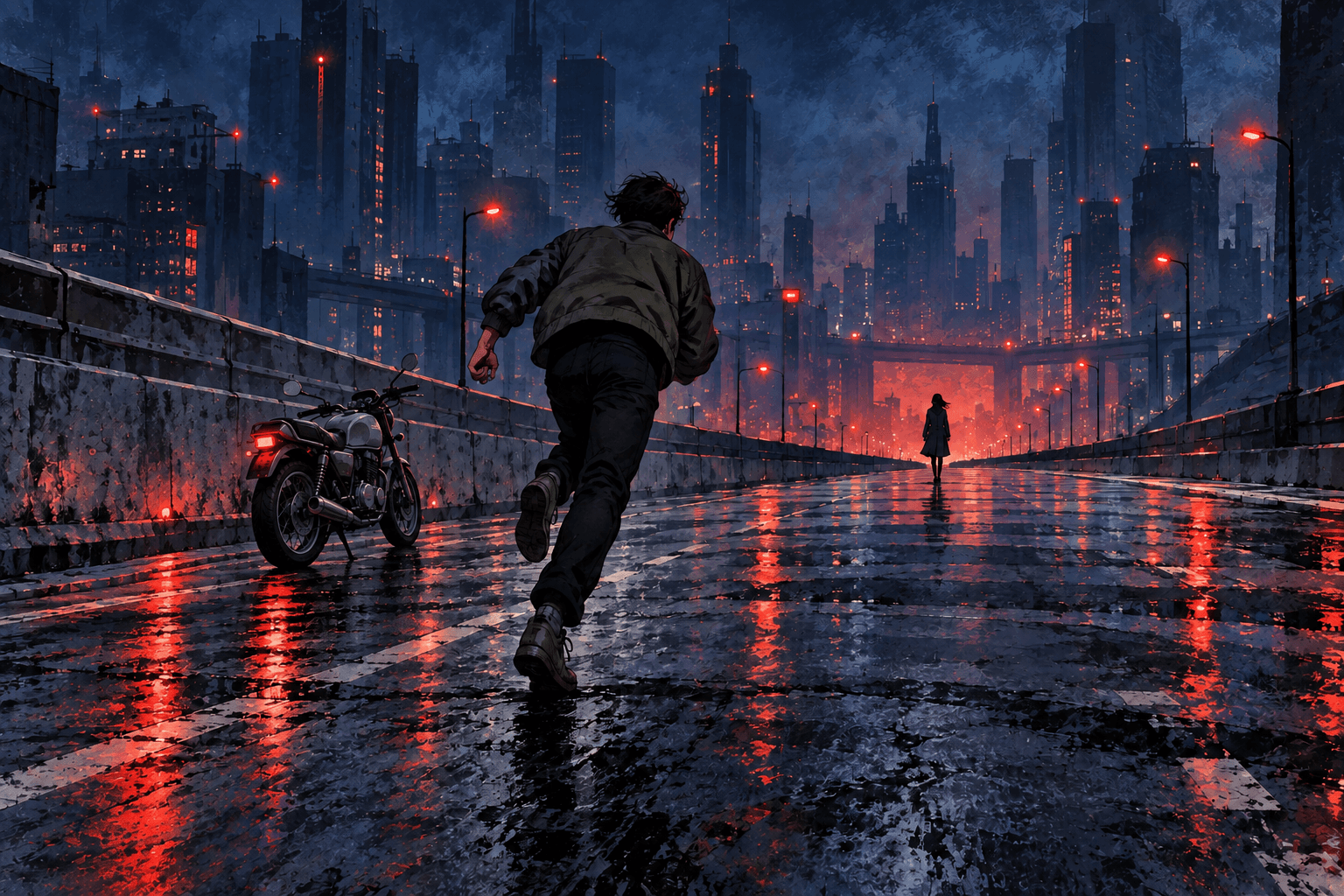
Tetsuo crashes his motorcycle. In the early highway sequence of Akira, a chase has become an injury. Kaneda and the others dismount and run toward him, a passage that assistant animation director Kōji Morimoto later singled out when discussing the film’s unexpectedly varied movement. Before Katsuhiro Otomo's 1988 film gives Tetsuo powers that exceed anything his companions can manage, it puts him in the familiar position of someone whose body has failed to go where he intended. TMS's Japanese synopsis begins the story with that accident and the military taking him away.
A run toward an injured person has its own demands on an animator. The runner must cover the ground, but the movement also has to carry urgency. An arm can swing convincingly and still tell us very little. A drawing can be anatomically plausible without making us believe that somebody is hurrying. The difficult work happens where the mechanics of moving and the reason for moving meet.
That apparently straightforward passage in Akira turns out to contain a disagreement about the film itself. In a Japanese interview with Anime Style, assistant animation director Kōji Morimoto recalled that animation director Takashi Nakamura first produced a few sample cuts. Their Disney-like quality surprised him: the stretch and the expansive reactions seemed an unexpected direction for this material. Some of that sample work, he said, remained in the sequence in which the boys dismount and run toward Tetsuo.
Morimoto did not describe a settled doctrine that everyone efficiently put into practice. He remembered uncertainty. Several approaches to movement coexisted in the production. The testimony makes it harder to treat Akira's realism as a single, perfected technique, ready to be measured and handed down. People working on the same bodies were asking different questions about how those bodies ought to behave.
Where the effort goes
It is tempting to explain unusually persuasive animation by adding up its drawings. A large production certainly makes kinds of work possible that a smaller one cannot afford. But a total cannot tell us why a particular action feels heavy, or why one additional pose might make it worse.
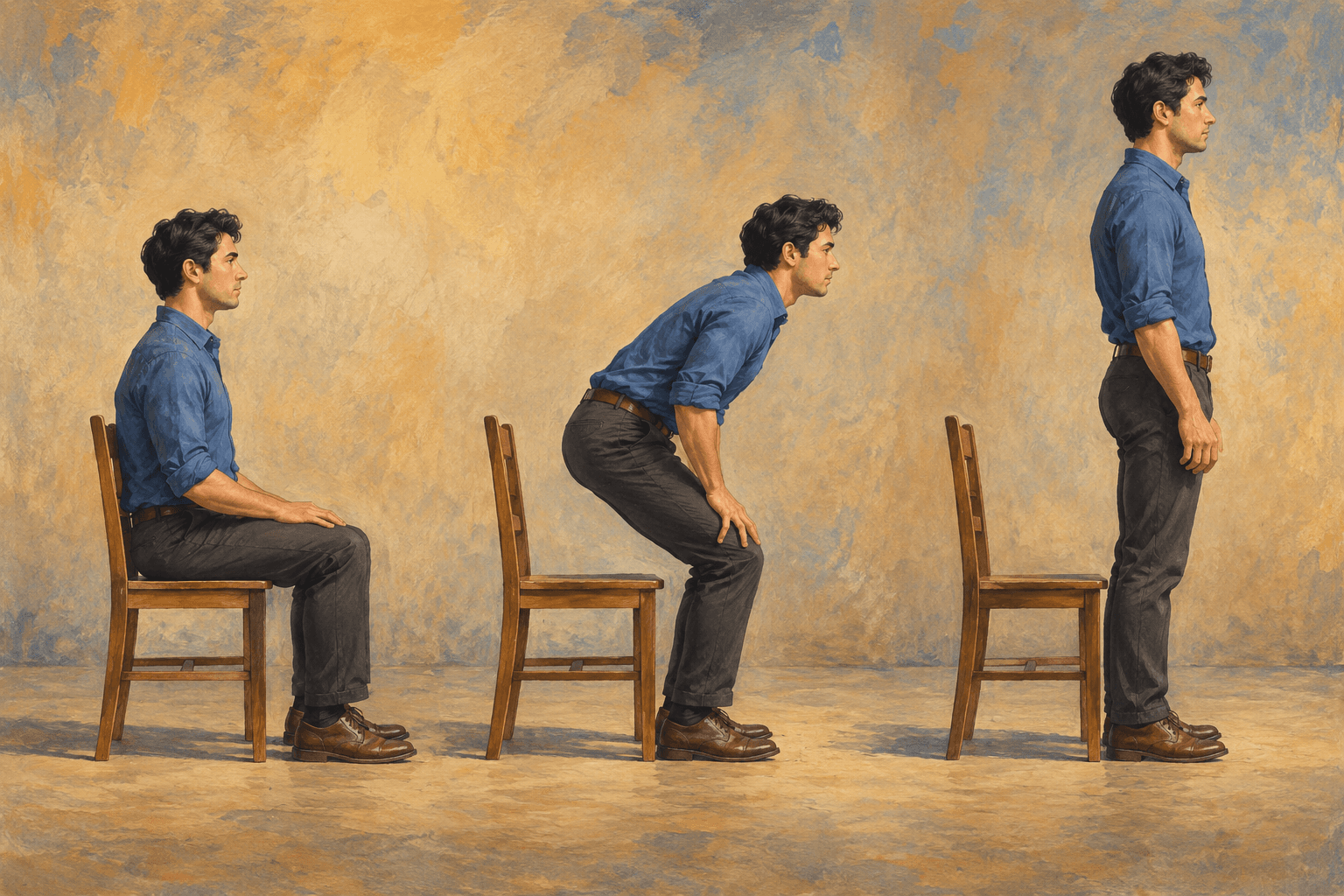
An instructional conversation published by P.A.Works in 2005 offers a small, practical example: an animator has drawn someone getting up but missed the forward lean that prepares the effort. The issue is where the key poses belong. Extra drawings can introduce unwanted catches rather than improve the movement. In a separate interview, Akira animator Toshiyuki Inoue recalled having to reconsider the conventional walk patterns he had learned and investigate the actual transfer of body weight. These are later, general reflections on animation. They help distinguish the planning of an action from the sheer quantity of work spent on it.
A studio full of different answers
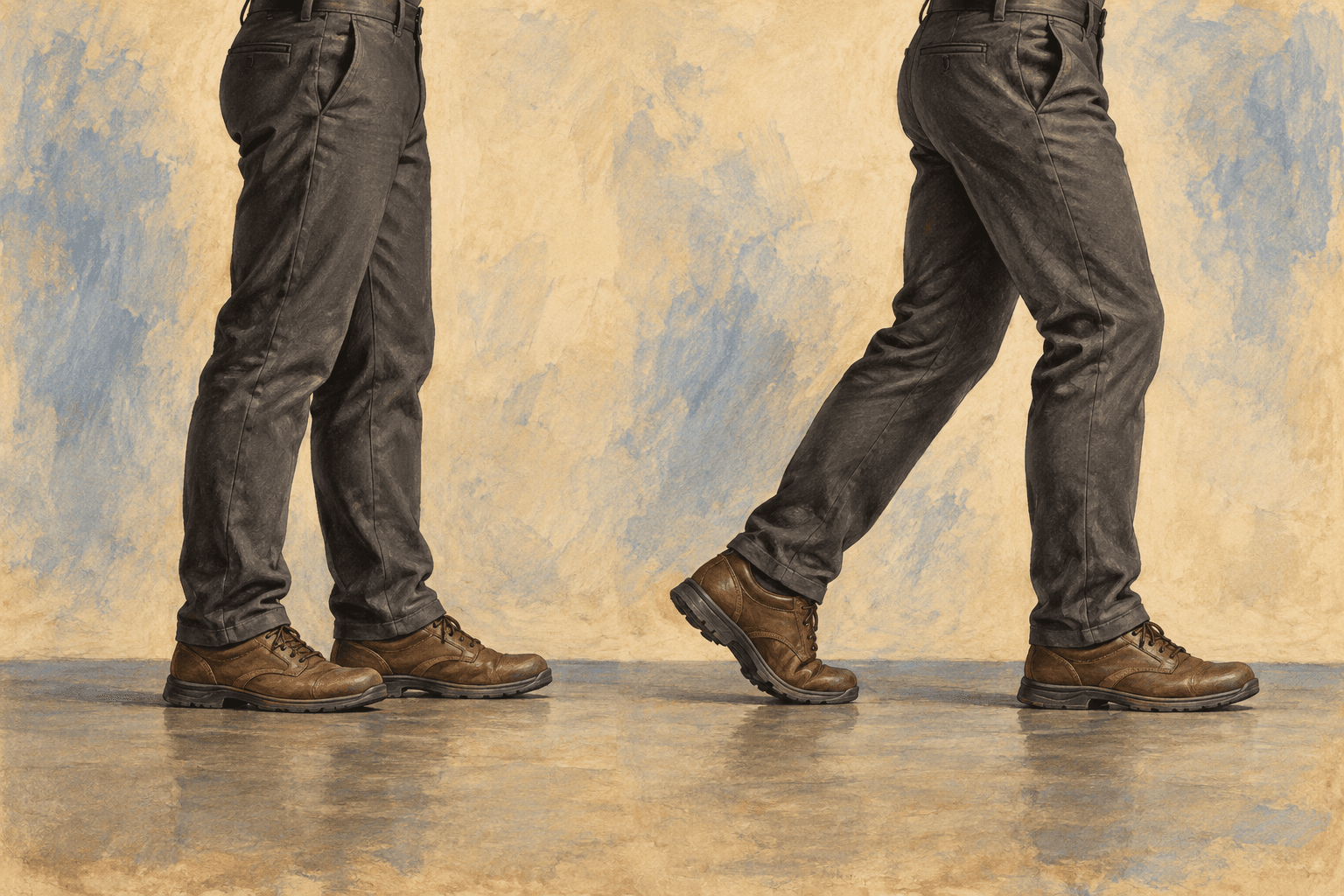
The production's participants remembered learning from one another in ways that resist the myth of a miraculous house style. Hiroyuki Okiura described sitting beside animator Toyoaki Emura and discussing a bicycle scene Emura had drawn for another series. Emura had ridden around the studio to investigate the movement. Okiura admired the combination of skill and practical inquiry. His account locates a consequential lesson in a conversation between neighboring desks.
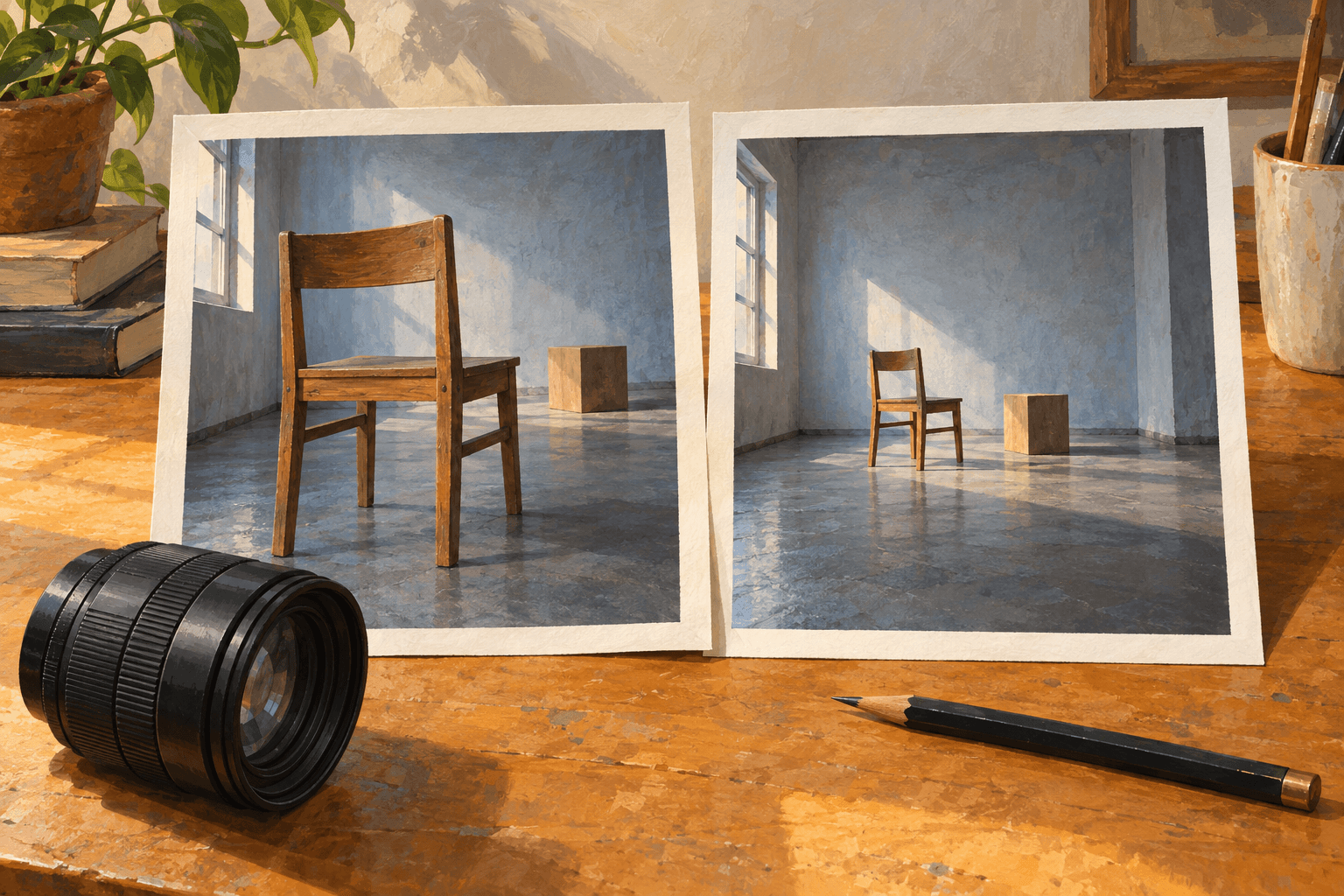
Emura also gave Okiura a photography book that demonstrated what different lenses did to an image. Here was a way to study the construction of a shot, alongside the bodily investigation of riding a bicycle. Okiura thought the lessons would become more evident in his later work. The time spent on Akira could change an animator before the change was fully visible on screen.
Nakamura was willing to separate the pleasures an audience might want from motion. In his Anime Style interview, he discussed the relation between movement that feels good to watch and movement that serves a story. He valued both, while doubting that the sensation of motion alone could sustain a feature. His remarks make room for the very exuberance that unsettled Morimoto. A convincing body need not move with the restraint of a person trying to go unnoticed.
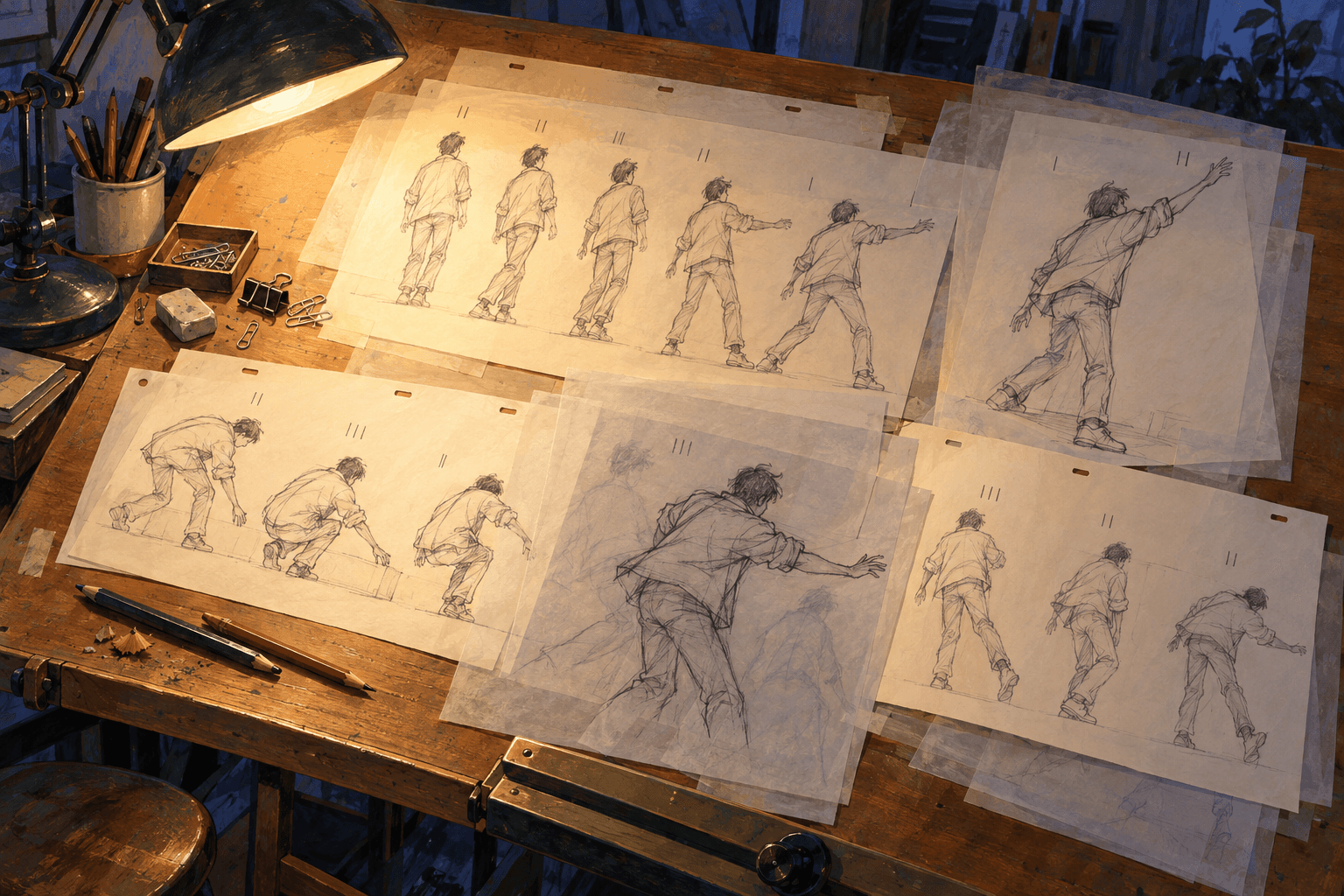
Otomo's retained production drawings make some of those judgments available for study. The official Otomo the Complete Works catalogue identifies Animation AKIRA Layouts & Key Frames 1 as a selection of his layouts, key drawings and corrections, together with reproduced cels. The editorial announcement describes a format designed to let readers turn through the work sheet by sheet. A layout establishes a shot's arrangement; a correction records an intervention. Neither is adequately described by calling it another drawing in the pile.
Atsuko Fukushima remembered a different revelation. Watching Satoru Utsunomiya work during Akira, she was struck by how much thought was visible in the drawings. Their emphasis was legible to her: she could see what the action was trying to make important. Her interview also describes the uncertainty and revision around her own early material. The film was an education for people whose names now make its credits look like a foregone conclusion.
Fukushima's early assignment included the jukebox and continued as far as Tetsuo working on a motorcycle. She recalled substantial changes to those drawings, and was glad of them. The opening that introduces the boys' world had also been a place for the animators to find their bearings.